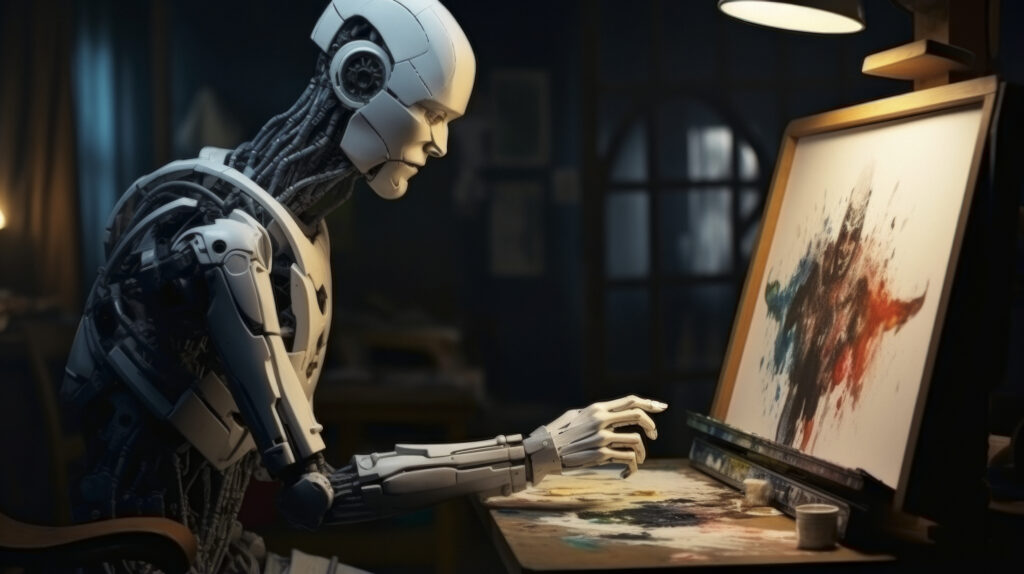
AI & Automation in Marketing: The Future of Smarter, Faster Growth
Artificial Intelligence (AI) and automation are transforming digital marketing from a manual, time-consuming process into a data-driven, highly efficient growth engine. In 2026, businesses that leverage AI are not just saving time—they are delivering more personalized experiences, improving customer engagement, and increasing return on investment (ROI).
AI & Automation in Marketing: The Future of Smarter, Faster Growth
AI in marketing refers to the use of machine learning, predictive analytics, and intelligent algorithms to analyze data, understand customer behavior, and make marketing decisions. Automation, on the other hand, focuses on executing repetitive tasks automatically—such as sending emails, scheduling social media posts, or managing ad campaigns.
When combined, AI and automation allow marketers to create smarter workflows that adapt in real time based on user actions and preferences.
Why AI Is Becoming Essential for Marketers

Modern consumers expect personalized and instant experiences. Manually analyzing customer data and tailoring campaigns for thousands of users is nearly impossible. AI solves this problem by processing large amounts of data quickly and identifying patterns that humans might miss.
For example, AI can:
- Predict which leads are most likely to convert
- Recommend products based on browsing behavior
- Optimize ad targeting and bidding automatically
- Personalize website content for each visitor
This level of intelligence helps businesses deliver the right message to the right person at the right time.
Key Applications of AI & Automation in Marketing
1. Content Creation and Optimization
AI tools can generate blog outlines, social media captions, product descriptions, and even email copy. Beyond creation, AI also analyzes performance data to suggest improvements such as better headlines, keywords, or posting times. This helps marketers scale content production without sacrificing quality.
2. Email Marketing Automation
AI-powered email platforms can segment audiences based on behavior, purchase history, or engagement level. Automated workflows can send welcome emails, abandoned cart reminders, or personalized product recommendations, increasing open rates and conversions.
3. Chatbots and Customer Support
AI chatbots provide instant responses to customer queries 24/7. They can handle common questions, guide users through the sales funnel, and even collect leads. This improves customer experience while reducing the workload on support teams.
4. Predictive Analytics
Predictive AI analyzes historical data to forecast future outcomes. Marketers can use it to estimate customer lifetime value, identify churn risks, and prioritize high-value prospects. This allows businesses to focus their resources where they matter most.
5. Ad Campaign Optimization
AI-driven advertising platforms automatically adjust bids, targeting, and creative elements to maximize performance. Instead of manually monitoring campaigns, marketers can rely on AI to continuously optimize for conversions and lower acquisition costs.
Benefits of AI & Automation in Marketing
Increased Efficiency
Automation handles repetitive tasks, allowing marketers to focus on strategy and creativity.
Better Personalization
AI enables one-to-one marketing at scale, improving customer satisfaction and loyalty.
Improved Decision-Making
Data-driven insights help marketers make smarter, faster decisions.
Higher ROI
By targeting the right audience and optimizing campaigns in real time, AI reduces wasted spend and increases conversions.
Challenges and Considerations
Despite its advantages, AI adoption comes with challenges. Data quality is critical—poor or incomplete data can lead to inaccurate predictions. Privacy regulations also require businesses to handle customer data responsibly and transparently.
Another important factor is maintaining the human touch. While AI can generate content and automate interactions, creativity, emotional understanding, and brand voice still require human oversight.
The Future of AI in Marketing
The future of marketing will be driven by intelligent automation and real-time personalization. AI agents will manage entire campaigns, customer journeys will adapt dynamically, and predictive insights will guide strategic decisions before problems arise.
Businesses that embrace AI early will gain a competitive advantage by delivering faster, smarter, and more relevant customer experiences. However, the most successful marketers will use AI as a partner—not a replacement—combining machine efficiency with human creativity and strategic thinking.
Conclusion
AI and automation are no longer optional in digital marketing—they are becoming the foundation of modern marketing strategies. From personalized content and predictive analytics to automated campaigns and customer support, AI helps businesses operate more efficiently while improving customer engagement. By integrating AI thoughtfully and maintaining a balance between technology and human insight, marketers can unlock new levels of growth and stay ahead in an increasingly competitive digital landscape.